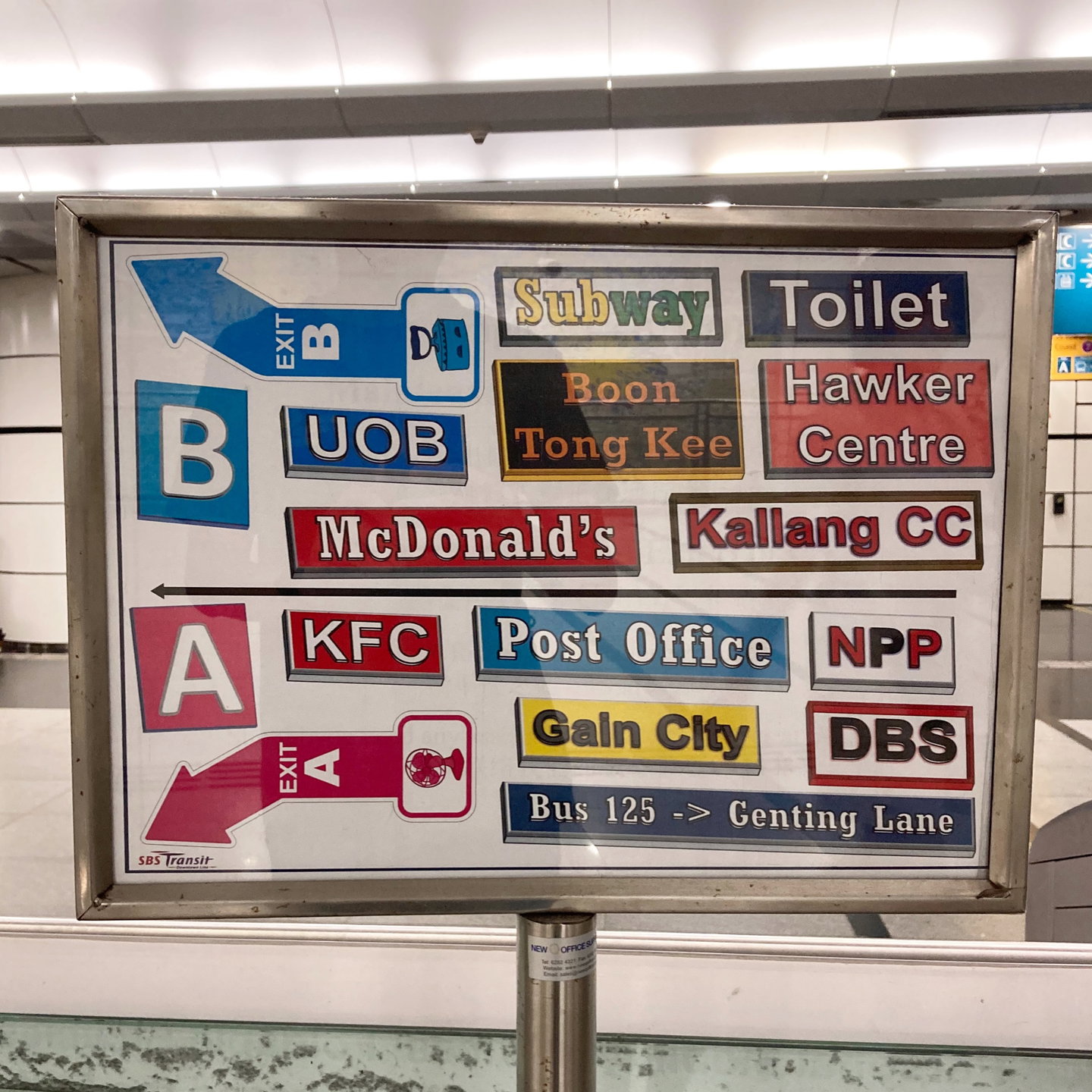
 As the Southeast Asian nation plans to expand its rail network to about 360 km by the early 2030s – matching cities such as Hong Kong, London, Tokyo and New York – station managers have designed their own signs to help passengers navigate the growing maze.
Social Design is Back — and Ready to Make a Difference

“[D]esign has become the most powerful tool with which man shapes his tool and environments…This demands high social and moral responsibility from the designer. It also demands greater understanding of the people by those who practise design and more insight into the design process by the public.”
Austrian designer Victor Papanek’s observation about the design industry may have been written more than fifty years ago, but it continues to resonate with many designers today. His 1971 publication, Design for the Real World, accused the industry of enabling “murder on a mass-production basis” by helping manufacturers create unsafe, wasteful and polluting products. Instead, Papanek advocated for a socially and environmentally responsible profession that designed not for consumerist fantasies but “real world” needs.
➜ Read the full essay in Emerge: Contemporary Southeast Asian Design and Beyond
Archiving Without a Collection: Reframing and Bootlegging to Build the Singapore Graphic Archives

At a recent meeting, a client of mine wondered what the logo of her government agency used to look like. Before I could reply, she started searching online. The next thing I saw in front of me was an entry about the logo design from the Singapore Graphic Archives.
Unbeknownst to her, I was the author behind the write-up. In fact, I am the founder of the archive that appeared as her top search entry. This was exactly how I imagined the archive would be used over a decade ago.