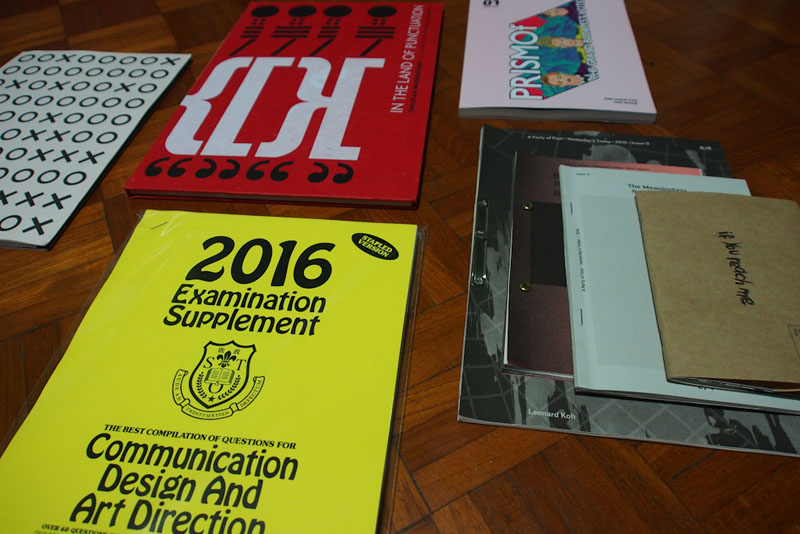
When I first started working on INDEPENDENCE: The history of graphic design in Singapore since the 1960s some five years ago, it opened my eyes to the breadth of visual culture that we produce and consume in this city-state. As I wrote this book on Singapore’s graphic design history, I also started keeping a collection of graphic materials found in Singapore. I picked up flyers, bought books, and even started making colour photocopies at our library—paying a dollar a piece. It struck me that instead of just amassing cabinets of these materials, I should share them so as to raise awareness of Singapore’s visual culture. That led to the founding of the Singapore Visual Archive in 2011, a digital repository of things that can be seen here.
Five years on, I have relaunched the website as the Singapore Graphic Archives. The name change reflects the focus on graphic design and visual communication from Singapore, but the aim is still the same: to collect and document graphic design from the Southeast Asian city-state to encourage research on the industry, and to promote a critical appreciation of its visual culture. I’ve also had the privilege of working with local digital agencies Pettycache and Watchtower to come up with a cleaner and more functional (responsive!) website. In preparation for revamping the archive, I “studied’ many other design archives around the world through writing for AIGA’s Eye on Design blog. Two in particular inspired how I’ve gone about running this operation entirely on my own: Kind Company’s Display and the Seymour Chwast Archive.
Now that the archive is live, I can return to the laborious process of discovering, researching, scanning and uploading graphic materials on to the website. The dream is that I can get paid to do this, or at least find funding to enable the website with more features and create better archiving processes. But the pleasure for now—and hopefully always—is discovering designs from Singapore that widen my eyes and I go, “Wah lao! I need to share this!”