
BY 黄向京
我们知道蔡荣恩(80几岁)是本地抽象派画家、前国家博物馆画廊知名策展人(1978-1985)、培训过美术教师,但少人知道他在平面设计也有一手。
当蔡荣恩来到国家设计中心五楼的“新加坡设计档案”展之“艺术家——平面设计师蔡荣恩”,小木橱上虽展示为数不多的展品,但他已发出惊叹,因为连他自己也没有收藏的平面设计作品,竟会有人感兴趣。
蔡荣恩接受联合早报访问时说:“今天我们比较重视保存档案资料,以前根本看不到它们的价值,很多资料都丢失了,前国家博物馆画廊丢掉蛮多的。”
BY 黄向京
我们知道蔡荣恩(80几岁)是本地抽象派画家、前国家博物馆画廊知名策展人(1978-1985)、培训过美术教师,但少人知道他在平面设计也有一手。
当蔡荣恩来到国家设计中心五楼的“新加坡设计档案”展之“艺术家——平面设计师蔡荣恩”,小木橱上虽展示为数不多的展品,但他已发出惊叹,因为连他自己也没有收藏的平面设计作品,竟会有人感兴趣。
蔡荣恩接受联合早报访问时说:“今天我们比较重视保存档案资料,以前根本看不到它们的价值,很多资料都丢失了,前国家博物馆画廊丢掉蛮多的。”
It was once touted as the world’s slimmest and lightest notebook personal computer. Weighing 2.1 kilograms and just under 3 centimetres thick, the IPC Porta-PC 386SLP3 Notebook Computer was a piece of cutting-edge technology.
Today’s “ultraportable” laptops come in half the size, but when the Porta-PC debuted in 1992, its sleek form and black anodised aluminium casing then stood out amongst its boxy plastic competitors. What many probably didn’t know too -this high-tech product was designed and manufactured entirely in Singapore.
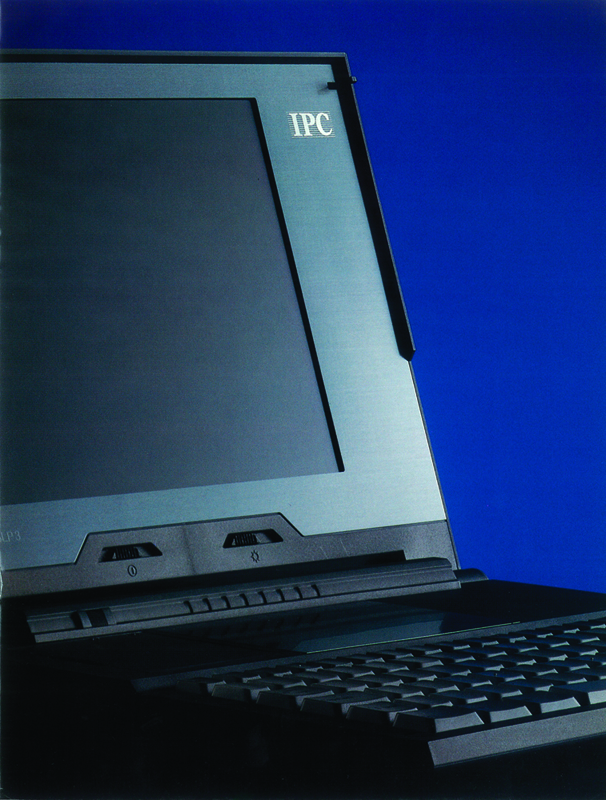
A creation by computer firm IPC Corporation and industrial designer David Chen, the Porta-PC was part of a wave of consumer electronics Singapore made for the world in the 1990s. These rolled out from an Information Technology (IT) industry that arose out of the government’s push for Singapore to ride on the then emerging IT wave. Beginning in 1981, the National Computer Board was set up to implement computerisation in the public service. As this revolution spread to the private sector in the following decade, manufacturers of consumer electronics in Singapore, ranging from multinationals such as Philips, Hewlett-Packard, Motorola and Sony, to local start-ups like IPC and Creative Technology, assembled teams of engineers and industrial designers to invent and manufacture IT products.
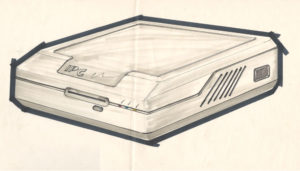
While David and his consultancy Studio Industrial Design also designed desktop computers, printers and keyboards, he fondly remembers the Porta-PC because it clinched the nation’s then top industry accolade, the Singapore Design Award in 1992.
“I wasn’t thinking of competing (for the world’s slimmest laptop). We were just using our brains to see how to minimise it,” says the industrial designer who returned to Singapore in the late 1970s after studying and working in the United Kingdom. “Now people use titanium… but that time, nobody in the world had done it (use aluminium).”
“If we always follow the rules set by designers who lived in the 20th century—but we live in the 21st century—then what are we blindly following?”
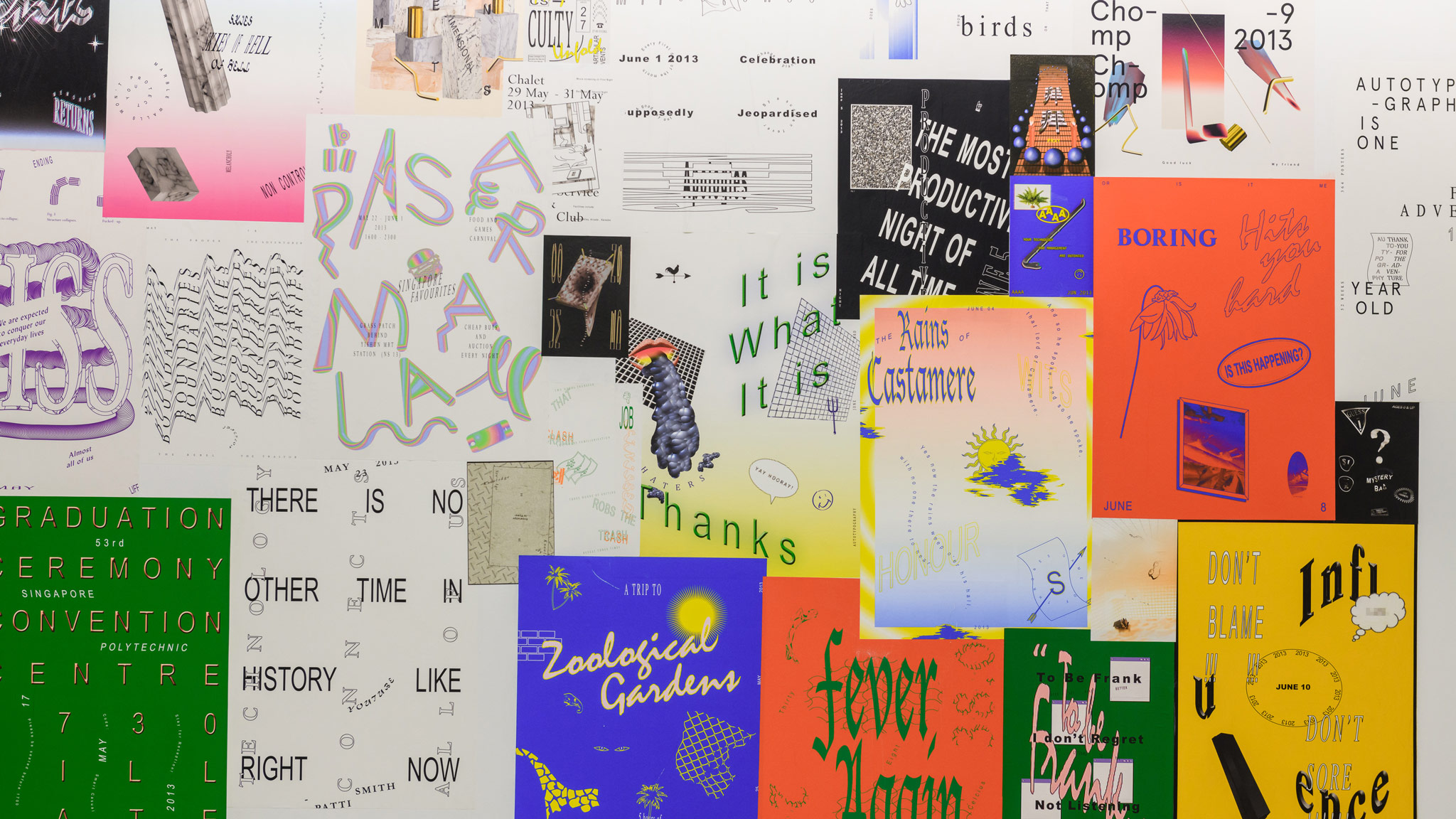
Sometimes the best projects start on a whim. Just ask Singaporean graphic designer Darius Ou: his Autotypography project started six years ago while he was bored at design school, and has since evolved into a collection of 365 posters that have found their way into college study materials, and now are showing as part of the Dissolving Margins exhibition at Lasalle’s Institute of Contemporary Arts Singapore.
Autotypography was born when Ou decided to create one A4 poster a day. Over a year, this “visual diarrhea” of his life—hence the wordplay on “autobiography”—evolved into a “semiotic playground.” At the beginning of the project, Ou experimented with breaking the cardinal principles of “good design” because it looked “cool”—from stretching typefaces to blending amorphous forms—but midway through, the project turned into more of an inquiry into visual culture. Autotypography helped propel Ou to becoming one of the foremost proponents of the “new ugly” in Singapore.