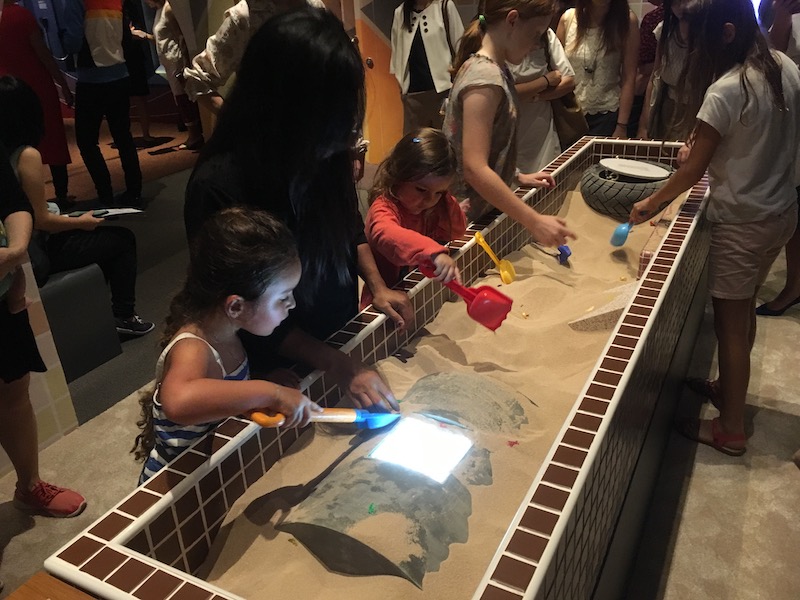
Originally researched and written for the National Museum of Singapore’s The More We Get Together: Singapore’s Playgrounds 1930-2030 (2018) exhibition. It resulted in the above installation conceptualised with Atelier HOKO.
A variety of local construction materials were used to produce the distinctive playgrounds that a generation of Singaporeans grew up with during the 1970s and 1980s. Dig deeper and discover the building blocks of these playgrounds!
Hume Pipes
From a tortoise shell to the body of a giraffe, such circular concrete pipes were commonly used in early playground designs. Typically used in sewage systems, the Hume pipe’s smooth surfaces made them safe to play on, but more importantly, this material helped contractors more easily realise Mr Khor Ean Ghee’s playgrounds. In the 1970s, the local construction industry was not as developed so Mr Khor designed his playgrounds around these readymade pipes that are named after its Australian inventors. Their company, Hume Industries, set up a factory along Bukit Timah in 1923 and the pipes used in local playgrounds were most likely manufactured there.
Sandpits
Unlike many early playgrounds which had concrete flooring, HDB began building its playgrounds in 10-by-10 metres boxes filled with sand to cushion children when they jumped off play structures or if they accidentally fell. This loose, granular substance could also be played with, and children would build sandcastles or simply dug into this tactile material. Many of the sandpits also had large ledges that parents would sit on while keeping an eye on their children playing. From the nineties, sandpits gave way to synthetic rubber flooring. This new material of the time was thought to be more colourful, and unlike sand, they did not conceal litter or hazards such as broken glass.
Terrazzo
This weather-worthy material was a more durable alternative in Singapore’s tropical climate, compared to earlier playgrounds built with stainless steel and timber. Made out of chips of marble or granite set in concrete that was polished to give a smooth surface, terrazzo was also safe for children to play on. While this solid material gave rise to the sculptural forms of local playgrounds, they also made them less flexible especially when compared to new proprietary playground that became widely available in the nineties. Typically made out of plastic, these new playgrounds could be more easily shaped for different types of play and was convenient to replace when damaged. This made them the playgrounds of choice for a new generation.
Mosaic Tiles
They gave a generation of playgrounds its distinctive look, but these small square tiles were picked for very practical reasons. Early playgrounds made out of concrete pipes and metal structures required a regular coat of marine paint to ensure they looked presentable. This became unnecessary when Mr Khor Ean Ghee began using brightly-coloured mosaic tiles in his playgrounds, on the suggestion of a contractor. His colleagues who maintained the housing estate loved that this saved their time and money in keeping the playground safe and clean. Besides playgrounds, mosaic tiles were also commonly used then on the walls and floors in apartments, as well as public furniture installed at void decks!
Rubber Tyres
Together with ropes and nets, rubber tyres offered a mobile element to the largely static playground designs. They were safer and more durable to use as seats on swings compared to the previous timber panels that would splinter and rot in our tropical weather. The impact of being hit by an elastic rubber swing compared to a timber one was also lesser too. Rubber tyres were also then produced locally, one of the many products put out by Singapore’s lively rubber manufacturing industry in the 1970s. Starting with this material that comes from the latex of a tropical plant, or created synthetically, factories would create all sorts of consumer and industrial goods, including rubber bands, cushions and shoes.
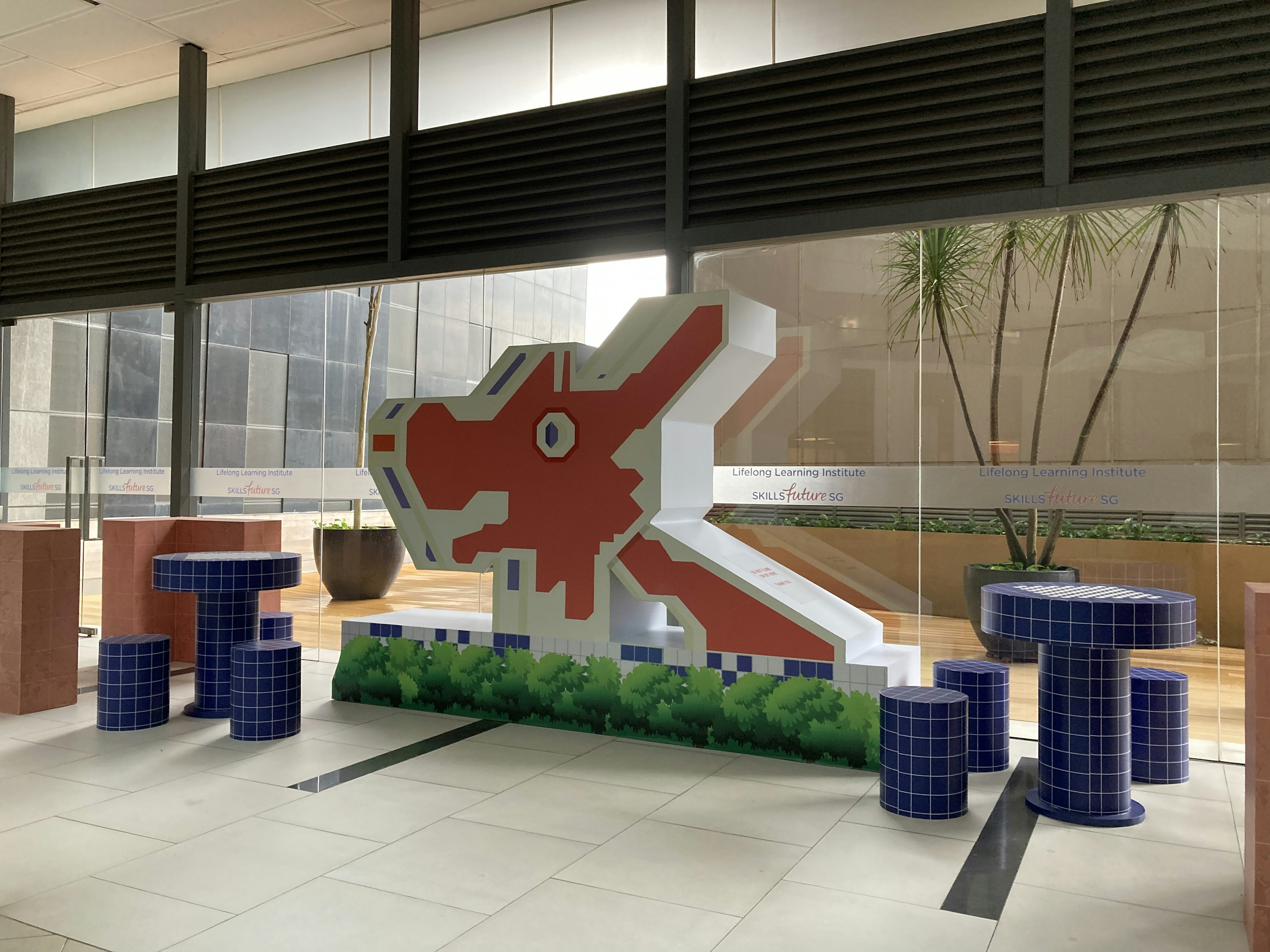 The Year of the Dragon in 2024 saw dragons pop up across Singapore. Some lined the streets of Chinatown and took centre stage in festivities. Others starred in advertisements and even popped up inside shopping malls. The creature representing last year’s Chinese zodiac was embraced by businesses and organisations as part of the traditional Lunar New Year celebrations.
 The rapid urbanisation of Asia has spurred the growth of play spaces where children and communities can experience, learn and reimagine urban life. This five-part documentary series commissioned by